FORGOT YOUR DETAILS?

GUARDIAN HOME STANDBY GENERATORS

Protect Your Home & Peace of Mind

Standby Generators for your Home

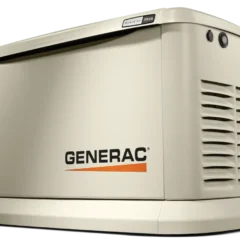
Generac Home Standby Generators Australia. Are you ready for the next blackout? With extreme weather events increasing and grid reliability declining, unexpected power outages can happen at any time. Don’t leave your family in the dark. A Generac Home Standby Generator ensures your home stays powered—lights, appliances, heating, cooling, and essential systems continue running so your family stays safe and comfortable.

Automatic, reliable, and permanent, your Generac generator starts within seconds of a power outage, delivering seamless electricity to your entire home or selected essential circuits. Quiet, efficient, and designed to last, it gives you true peace of mind every day.

  • Stay powered during emergencies
  • Protect your family and valuables
  • Enjoy worry-free, automatic backup power

Don’t wait until the next blackout. Contact us today to find the perfect Generac Home Standby Generator for your home and secure your peace of mind.
How Home Standby Generators Work

Whether it’s caused by a storm, a local network fault, or equipment failure, the moment the grid drops out your home suddenly loses electricity—lights, internet, refrigeration, air-conditioning and essential appliances can all stop at once.  

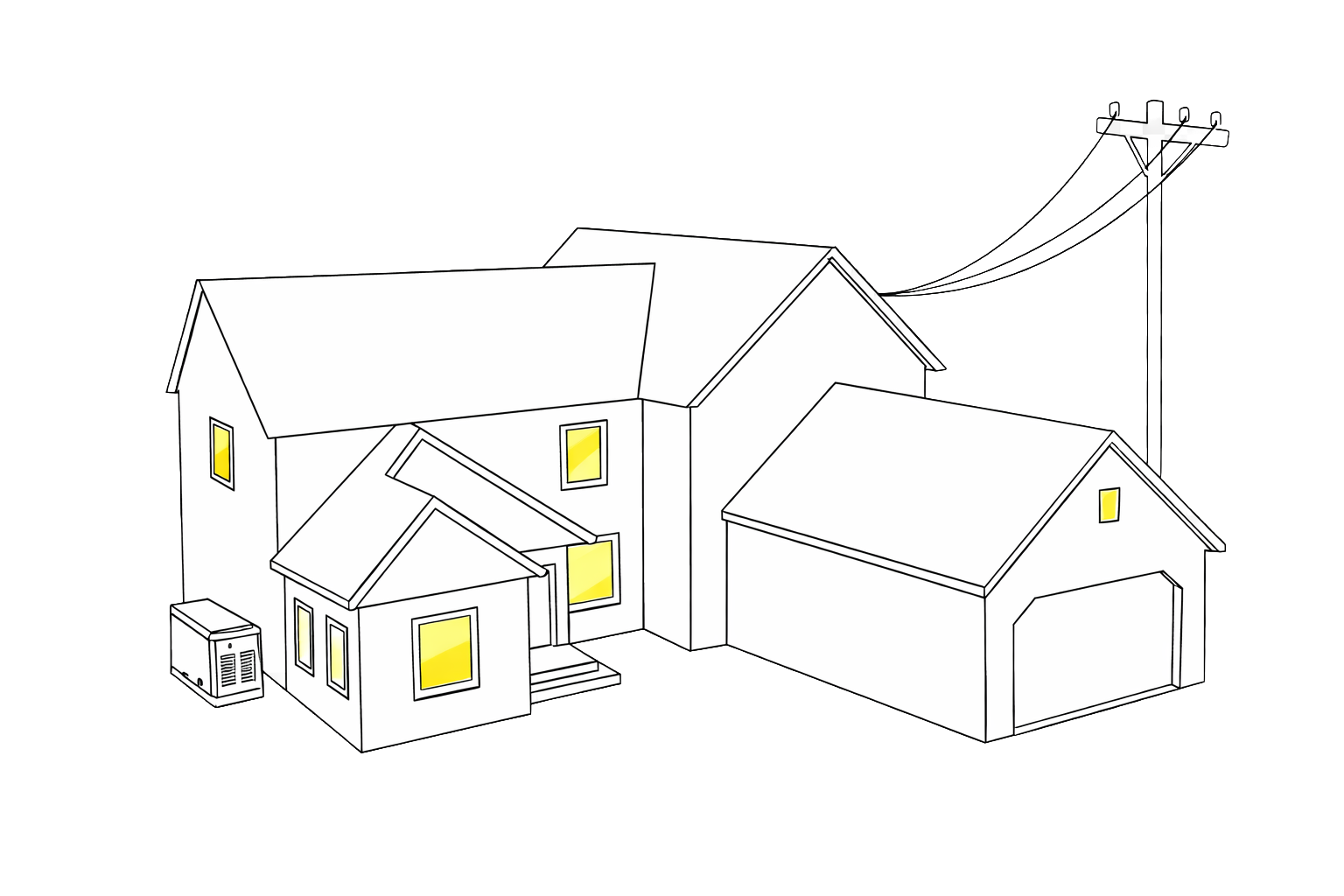
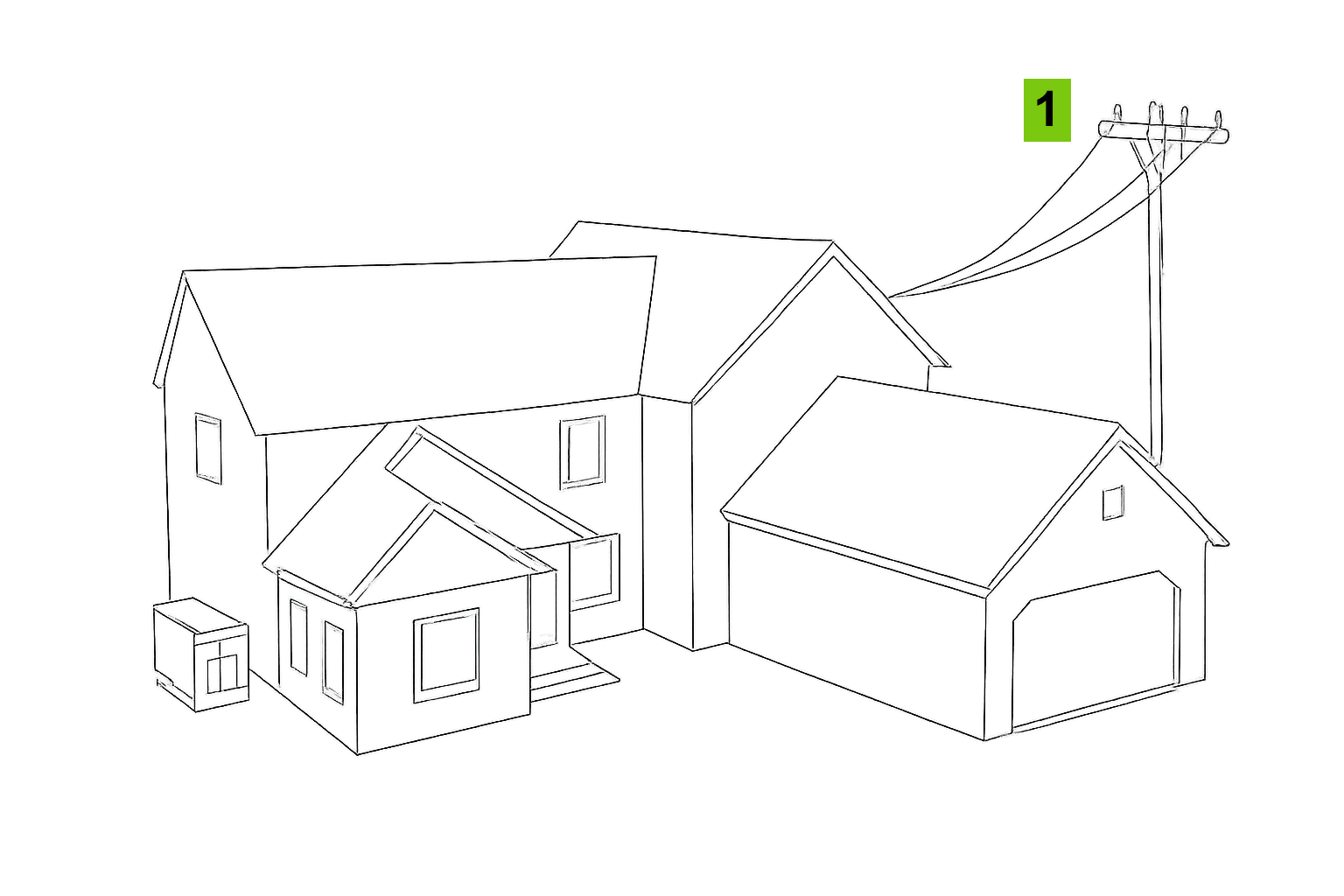
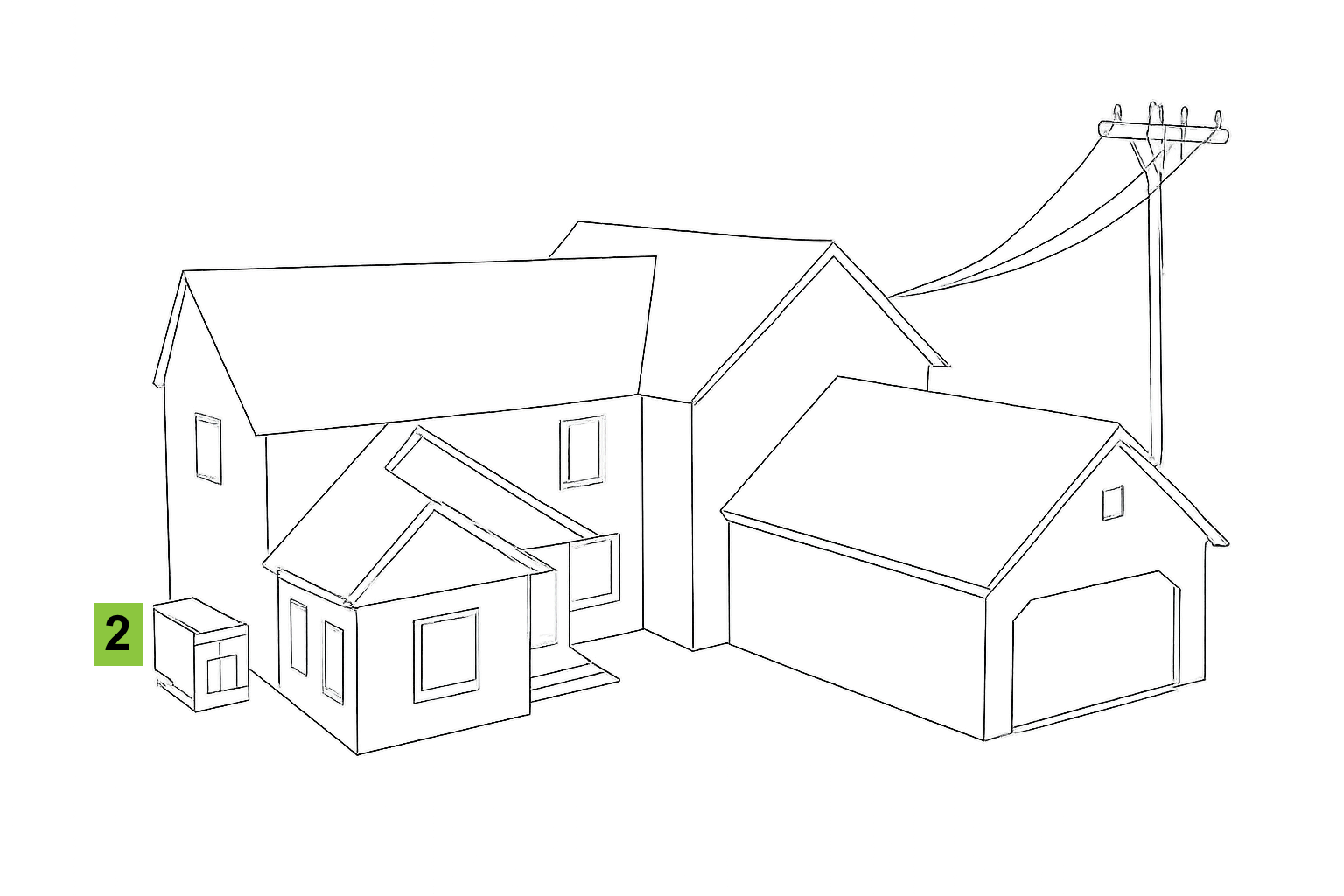
In a home standby setup, the generator is permanently installed outside (similar to a central A/C unit) and connected to your home through an automatic transfer system, so you don’t need to be home—or do anything manually—when an outage happens.  

The transfer switch technology continuously monitors your incoming supply. When it detects a loss of utility power, it automatically signals the standby generator to start.  

Within seconds, the system brings the generator online, confirms stable output, and prepares to move your home from “utility mode” to “generator mode” safely and automatically—without extension leads, refuelling, or manual changeover switching.

Once the generator is running and stable, the transfer switch transfers the home’s load to generator supply—restoring power so your selected circuits (or whole home, depending on how the system is configured) can operate through the outage.  

From there, the standby system continues powering your home until utility power returns. When the grid is back and stable, the transfer switch automatically switches the home back to mains power and the generator returns to standby, ready for the next outage.  

Optional extras like remote monitoring (e.g., Mobile Link on supported models) can also provide status and alerts, so you can keep an eye on the system even when you’re away.  

FAQs

Within a few seconds of the system detecting a loss of mains power, the standby sequence begins. The generator starts automatically and comes up to operating speed. Once the generator is running and the ATS confirms the required voltage and frequency are stable, it automatically transfers the load from utility to generator supply—restoring power to your home without any manual intervention.

Generac home standby units typically run on natural gas or LP (liquid propane). In Australia, “LP” is generally supplied as LPG (propane-dominant, depending on supplier/region) and is usually provided either from mains natural gas (where available) or from LPG cylinders/tanks.  


Natural Gas (mains)

·      Continuous supply (no bottle swaps), so it’s often the simplest option where reticulated gas is available.

·      The generator is connected via compliant gas pipework and a regulator setup sized to the generator’s demand (licensed gas fitter).


LPG in Australia (typical bottle/tank options)


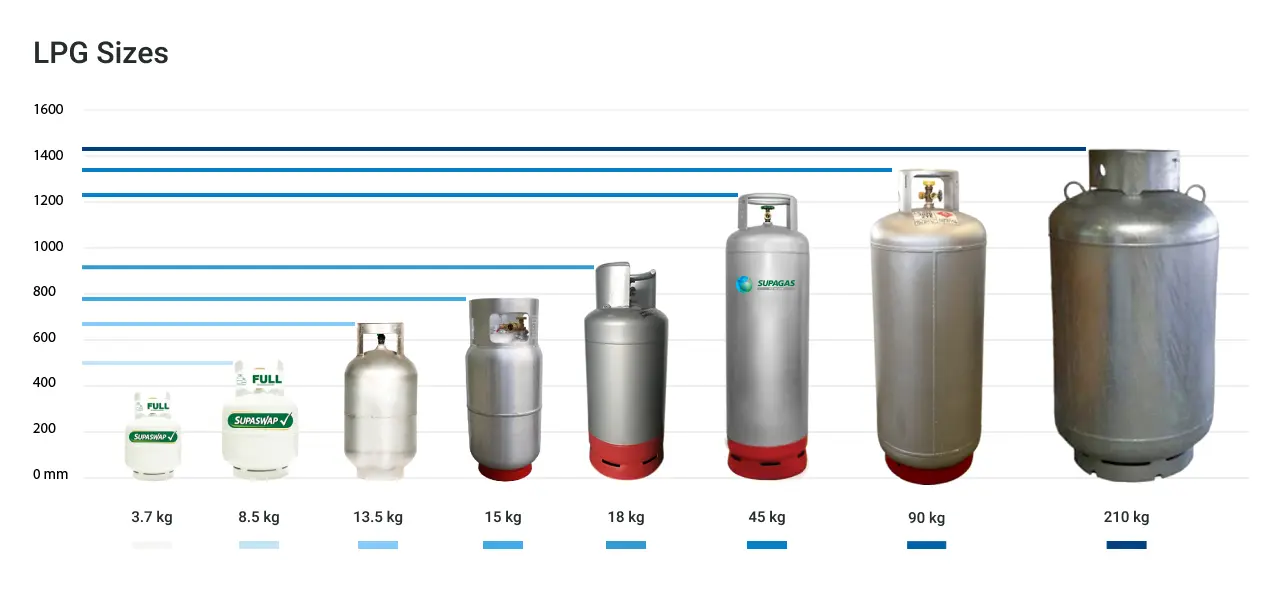
Exchange cylinders (most common for homes) – 45 kg bottles

·      The 45 kg cylinder is the most common residential LPG bottle size. 

·      A typical household setup is two 45 kg cylinders with an automatic/manual changeover regulator, so when one empties you switch over and organise the replacement—this is the most common “swap-and-go” style arrangement.  

·      For standby generators, this twin-cylinder approach can work, but the right configuration depends on generator size and the run-time you want during an outage (the typical duration for a 10Kva on a 45Kg bottle is 10-11 hours).


Larger cylinders – 90 kg and 210 kg

·      Where higher gas demand or longer run-time is needed, suppliers also offer 90 kg and 210 kg cylinders.

·      These can reduce the frequency of changeovers compared with 45 kg bottles, but they’re heavier, have different handling logistics, and still need correct regulator/pipe sizing.


Bulk LPG tanks (fixed tank, filled on-site)

·      If you want the convenience of “no swaps” (similar feel to mains gas), a bulk tank filled by a tanker can be the best match—especially for longer outages or larger generators (common in regional/off-grid areas).

Yes, Mobile Link is designed for remote status, alerts, exercise schedule management, and service connection.

Portable units can help, but a standby generator is permanently installed, automatically starts, and is intended to run through longer outages with a safer, integrated transfer setup

Common priorities include lighting, refrigeration, medical equipment, water systems, security, internet/chargers, and A/C.

1. Introduction

2. Features

3. How it Works

4. Applications

Order a maintenance kit

List your generator make, model and engine details and we’ll supply the correct filters, belts and service parts.

Get a generator quote

Tell us your application, power needs and location. We’ll recommend the right size and send a quote — usually within one business day.

Request service or maintenance

Book a service, report a fault, or ask about a maintenance plan for your generator or site equipment.

TOP